Tree Felling: When Is It Necessary to Remove a Tree?
Trees bring natural beauty, shade and wildlife to gardens and outdoor spaces. However, there are situations where a tree may become unsafe, develop serious health problems or outgrow its surroundings. In these circumstances, tree felling may be necessary to protect people, property and the surrounding environment.
For homeowners and landowners in Cotgrave, Nottingham, deciding whether to remove a tree requires careful consideration. Tree removal should not be the first option if pruning or other maintenance can resolve the problem safely. Cotgrave Tree Surgeons provides professional tree assessments and tree surgery services to help property owners make informed decisions about the condition and management of their trees.
What Is Tree Felling?
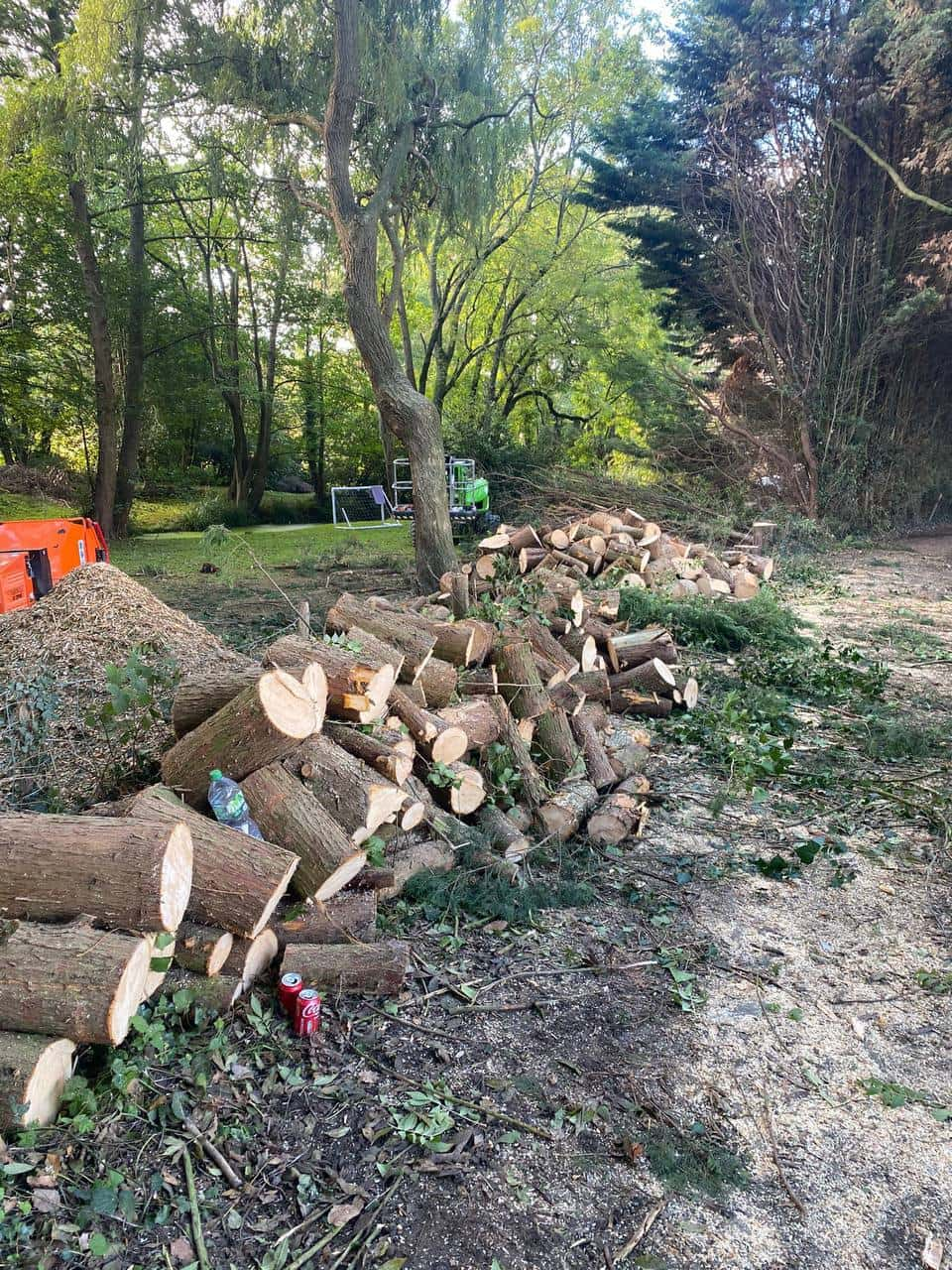
Tree felling is the controlled removal of a tree. Depending on its size, condition and location, a tree may be felled in one controlled operation where space allows, or dismantled in smaller sections when nearby buildings, fences, roads or other obstacles make this necessary.
The process requires careful planning to manage falling timber, protect surrounding structures and maintain safe working conditions. A professional tree surgeon will assess the tree and its surroundings before deciding on the most appropriate removal method.
Not every damaged or overgrown tree needs to be felled. In many cases, pruning, crown reduction or the removal of dead branches may help manage the problem while preserving the tree.
When Is Tree Felling Necessary?
1. The Tree Is Dead or Dying
A dead tree can become increasingly unstable as its timber deteriorates. Without healthy growth, branches may become brittle, and the trunk or root system may lose structural strength.
Warning signs include extensive dead branches, a lack of seasonal growth, significant decay and large areas of damaged bark. However, some trees naturally shed branches or lose leaves at particular times of year, so these symptoms should be assessed in context.
If a tree is dead or severely declining and presents a safety risk, removal may be the most appropriate solution. Cotgrave Tree Surgeons can inspect the tree and advise whether felling is necessary or whether another form of management is suitable.
2. The Tree Has Significant Structural Damage
Storms, strong winds and falling branches can cause serious damage to a tree. Large cracks in the trunk, split unions between major limbs or a damaged root plate may indicate that the tree’s stability has been compromised.
A tree that suddenly begins leaning, particularly when accompanied by lifted soil or exposed roots, should be treated as a potential hazard. Keep people away from the affected area and arrange a professional assessment promptly.
Depending on the severity and location of the damage, selective pruning may be sufficient. However, if the tree cannot be managed safely, complete removal may be necessary.
3. Disease or Decay Has Weakened the Tree
Trees can be affected by fungal decay, pests and diseases that gradually weaken their structure. Some problems affect the foliage, while others damage the trunk, major branches or roots.
Fungal growth around the base of a tree, cavities in the trunk, extensive deadwood and changes in leaf condition can indicate an underlying issue. These signs do not always mean the tree must be removed, but they may warrant further investigation.
A professional assessment helps establish the extent of the damage and whether the tree can remain safely in place. Where decay has significantly weakened a tree and cannot be managed adequately, felling may be the most suitable option.
4. The Tree Has Outgrown Its Location
Trees planted in restricted spaces can eventually grow too large for their surroundings. Branches may extend over buildings, obstruct access, interfere with structures or create persistent problems in a garden.
Size alone is not necessarily a reason to remove a healthy tree. Crown reduction or selective pruning may help manage its spread while retaining its environmental and visual benefits.
However, if the tree’s position creates a problem that cannot be resolved through appropriate maintenance, removal may be worth considering. Cotgrave Tree Surgeons can assess the available options and recommend an approach suited to the tree and its location.
5. The Roots Are Causing Problems
Tree roots can affect paving, garden walls and underground drainage where growing conditions and the location of the tree create conflicts. In some cases, roots may contribute to lifting surfaces or entering existing defects in drainage systems.
It is important to identify the actual cause before deciding to remove a tree. Root growth does not automatically mean that a tree is damaging a property, and removing it may not resolve every underlying issue.
A professional assessment can help determine whether the problem is related to the tree, whether other maintenance options are available and whether felling is justified.
What Should You Consider Before Removing a Tree?
Before arranging tree felling, consider the tree’s overall health, its position, the nature of the problem and whether less extensive work could achieve the desired result.
Healthy trees provide shade, shelter and habitats for wildlife, so retaining a tree where it can be managed safely is often beneficial. A qualified tree surgeon can explain the advantages and limitations of pruning, crown management and removal based on the specific circumstances.
It is also important to assess nearby buildings, boundaries, garden features and access arrangements. These factors influence how the work can be carried out safely and which removal method is appropriate.
Why Choose Professional Tree Felling in Cotgrave?
Tree felling involves substantial risks, particularly when trees are large, damaged or close to buildings and other obstacles. Attempting to remove a tree without suitable training, equipment and planning can put people and property in danger.
Professional tree surgeons assess the tree’s condition, plan the removal method and manage the work with consideration for the surrounding area. They can also advise whether stump removal or additional tree maintenance may be appropriate after the tree has been felled.
For property owners in Cotgrave, Nottingham, Cotgrave Tree Surgeons provides professional guidance to help determine when tree removal is necessary and how the work can be completed safely.
Conclusion
Tree felling may be necessary when a tree is dead, severely damaged, structurally unsafe or causing problems that cannot be resolved through suitable maintenance. However, removal should follow a careful assessment rather than being based on appearance or size alone.
If you are concerned about a tree on your property, Cotgrave Tree Surgeons can assess its condition and explain the most appropriate options. Contact the team to arrange a professional assessment and receive advice about tree felling and tree care in Cotgrave, Nottingham.
Call us on: 0115 647 1199
Click here to find out more about Cotgrave Tree Surgeons
Click here to complete our contact form and see how we can help with your tree’s needs.